
 By admin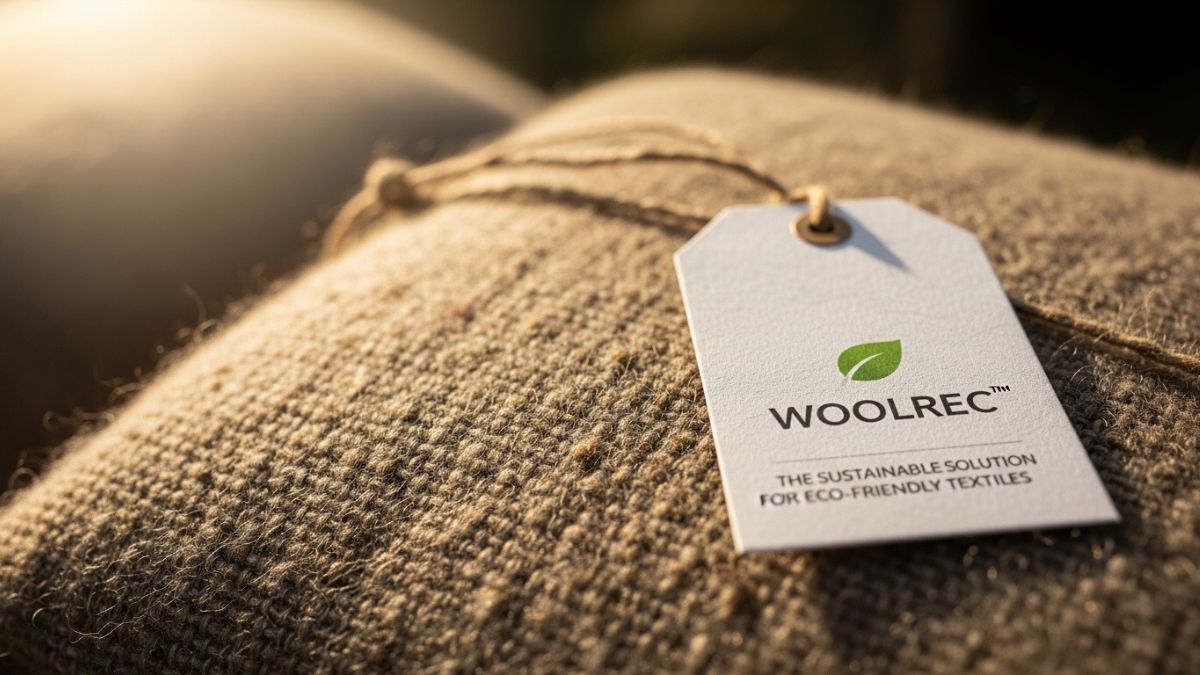
The fashion industry is notorious for its environmental footprint. From water pollution to excessive waste, traditional textile manufacturing leaves a lasting mark on our planet. But what if there was a way to change the narrative? Enter Woolrec, an innovative player in the world of sustainable textiles. With a mission focused on eco-friendliness and responsible practices, Woolrec is redefining how we think about fabric production. Imagine wearing clothing that not only feels good but also does good for the environment. This isn’t just a dream; it’s becoming a reality with Woolrec at the helm of this green revolution in textiles. Let’s dive deeper into how they are changing the game and leading us toward a more sustainable future!
The Environmental Impact of Traditional Textile Manufacturing
Traditional textile manufacturing significantly contributes to environmental degradation. The processes involved consume vast amounts of water, leading to depletion of this precious resource in many regions.
Chemical dyes and treatments are also a major concern. They often end up in waterways, causing pollution that affects aquatic life and local communities. This contamination can last for years, echoing the toxic legacy left behind by fast fashion.
Moreover, the production phase generates enormous waste. Landfills overflow with discarded textiles—many made from synthetic fibers that take centuries to decompose.
The carbon footprint is another pressing issue. Transportation of raw materials and finished products contributes heavily to greenhouse gas emissions, worsening climate change effects.
As awareness grows about these impacts, consumers are seeking greener alternatives more than ever before. Sustainable solutions like Woolrec offer hope for a better future where fashion doesn’t come at such a high cost to our planet.
Introduction to Woolrec and its Mission
Woolrec is revolutionizing the textile industry with its commitment to sustainability. Founded on the belief that fashion can be both stylish and eco-friendly, Woolrec specializes in recycling wool waste into high-quality fabrics.
The mission of Woolrec goes beyond just producing textiles. It aims to reduce environmental impact while promoting a circular economy. By transforming discarded wool into new materials, they tackle the issue of textile waste head-on.
Their innovative process not only lessens landfill contributions but also conserves resources typically used in traditional manufacturing. Each fabric produced embodies a dedication to sustainable practices and ethical production methods.
With an eye toward preserving our planet for future generations, Woolrec inspires brands to rethink their sourcing strategies. It’s more than just textiles; it’s about creating a movement towards responsible consumption and environmentally friendly solutions.
How Woolrec Works: The Recycling Process
Woolrec’s recycling process begins with the collection of post-consumer wool textiles. These items, often discarded as waste, are carefully sorted to ensure quality.
Next, the wool is cleaned and processed. This step removes any contaminants while preserving the natural fibers’ integrity. The result is high-quality raw material ready for transformation.
Once cleaned, the wool undergoes a unique carding process that aligns the fibers. This method enhances their strength and prepares them for spinning into yarn.
The final stage involves weaving or knitting these yarns into new fabric products. Through this innovative approach, Woolrec revitalizes old garments into fresh designs without compromising on sustainability.
This closed-loop system minimizes waste and reduces reliance on virgin materials, showcasing an eco-friendly alternative in textile production.
Benefits of Using Woolrec Fabrics
Woolrec fabrics offer a myriad of benefits that make them an appealing choice for eco-conscious consumers. First and foremost, these textiles are created from recycled wool, significantly reducing waste and the demand for virgin materials.
Moreover, Woolrec fabrics maintain the natural properties associated with wool—breathability, insulation, and moisture-wicking capabilities. This makes them ideal for various applications from fashion to home furnishings.
Using Woolrec also supports a circular economy by promoting sustainable practices in textile production. Each purchase represents a step toward reducing environmental impact while enjoying high-quality material.
Additionally, these fabrics often require less energy to produce than traditional textiles. They’re not just environmentally friendly; they also provide durability and longevity, ensuring that products last longer without compromising on style or comfort.
Success Stories: Brands and Companies Using Woolrec
Several innovative brands are embracing Woolrec’s sustainable textiles, showcasing the power of eco-friendly materials. One notable example is a renowned sportswear company that has integrated Woolrec fabrics into their latest collection. This partnership highlights their commitment to reducing environmental impact while still delivering high-performance products.
A luxury fashion label also turned to Woolrec for its premium recycled wool options, attracting conscious consumers who seek style without compromising sustainability. They transformed traditional designs with a modern twist, appealing to a new generation of eco-aware shoppers.
Another exciting collaboration features an outdoor gear brand that prioritizes durability and sustainability in its products. By incorporating Woolrec materials, they have successfully created items that not only stand up to the elements but also promote textile circularity.
These stories demonstrate how various sectors can benefit from adopting Woolrec’s approach, proving that sustainability can coexist with innovation and quality in the textile industry.
Challenges and Limitations of Woolrec
Woolrec faces several challenges that can impact its growth. One significant issue is the sourcing of quality wool. The process requires a consistent supply of raw materials, which can be unpredictable.
Additionally, not all consumers are aware of or trust recycled fabrics. Educating the public on the benefits and performance of Woolrec textiles is essential for market acceptance.
There’s also competition from synthetic fibers that may offer lower production costs. This can make it difficult for eco-friendly solutions to gain traction in a price-driven market.
Scalability remains a concern. As demand increases, maintaining sustainable practices while expanding operations poses logistical difficulties. Each step must prioritize both environmental responsibility and product quality to ensure long-term viability in an ever-changing marketplace.
Looking Towards a More Sustainable Future with Woolrec
The future of textiles is shifting, and Woolrec stands at the forefront of this transformation. By harnessing the power of recycled wool, it paves a new path for sustainable fashion.
As more brands recognize the need for eco-friendly practices, Woolrec offers a tangible solution. Its innovative approach not only reduces waste but also conserves resources. This commitment to sustainability resonates with consumers seeking mindfulness in their purchases.
Additionally, collaborations between Woolrec and forward-thinking designers are emerging. These partnerships highlight how stylish clothing can coexist with environmental responsibility.
With increasing awareness about climate change and textile pollution, Woolrec’s vision aligns perfectly with societal demands for greener options. The ripple effect from these changes could inspire others in the industry to adopt similar sustainable measures.
Woolrec serves as a beacon of hope reminding us that even small shifts can lead to significant impacts on our planet’s health.
Conclusion
As the world faces increasing environmental challenges, innovative solutions are emerging to address the issues associated with traditional textile manufacturing. Woolrec stands out as a beacon of sustainability in this landscape. By focusing on recycling and repurposing wool, Woolrec not only minimizes waste but also champions eco-friendly practices within the fashion industry.
The benefits of using Woolrec fabrics extend beyond their sustainable origins; they offer durability, comfort, and versatility. Brands that embrace these materials are setting new standards for responsible consumption and production. The success stories from companies adopting Woolrec demonstrate how collaboration can lead to impactful change.
Yet, it’s important to acknowledge that challenges remain. The scalability of recycled materials can be an issue, along with consumer awareness around sustainable choices. Nevertheless, initiatives like Woolrec pave the way for a more conscious future in textiles.