
 By admin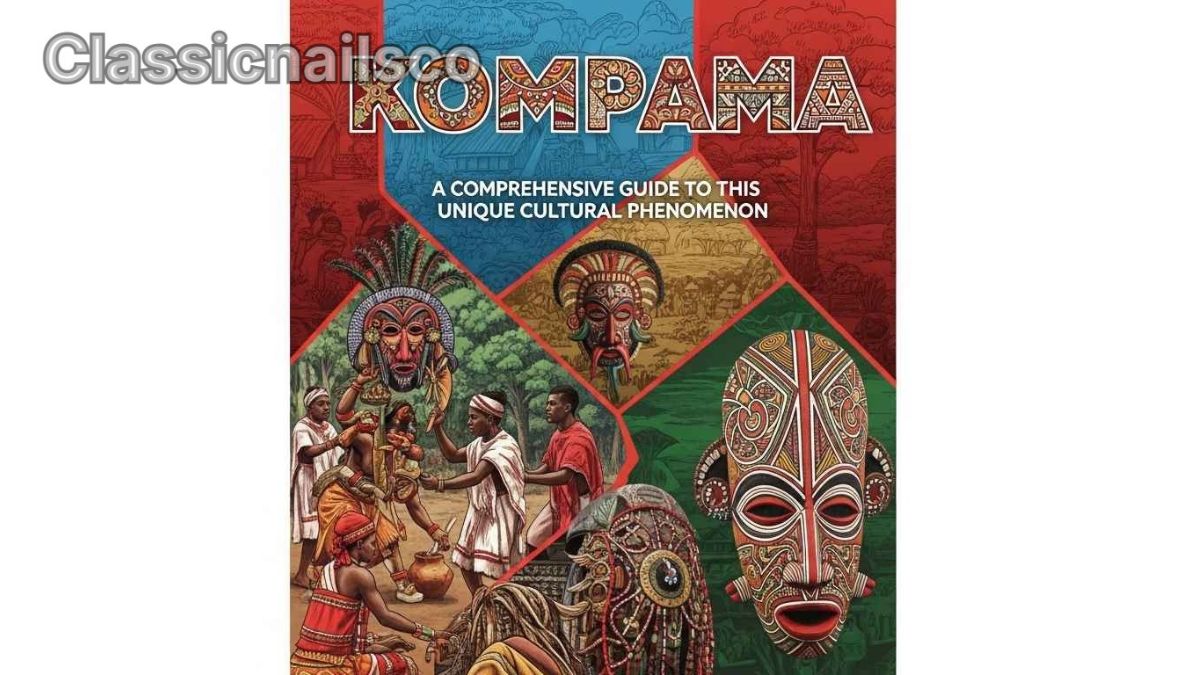
Kompama is more than just a word; it’s an experience that transcends cultures and traditions. Rooted in rich history, this unique cultural phenomenon celebrates the essence of community, creativity, and connection. From vibrant gatherings to heartfelt rituals, kompama captures the spirit of togetherness like no other. But what exactly is kompama? Where did it originate? As we delve into its fascinating origins and significance across various cultures, you’ll discover how this celebration has morphed over time while maintaining its core values. Whether you’re familiar with kompama or hearing about it for the first time, prepare to embark on an enlightening journey through a world where tradition meets modernity.
The Significance of Kompama in Different Cultures
Kompama is a vibrant tapestry woven into the cultural fabric of various societies. Each community embraces it with unique interpretations and practices, reflecting local traditions.
In many cultures, Kompama symbolizes unity and togetherness. It acts as a conduit for communal bonding, where families gather to celebrate their shared history. This sense of belonging strengthens ties among participants.
For others, Kompama serves as an expression of gratitude and reverence towards nature. Rituals often include offerings that honor the earth’s bounty, reinforcing respect for the environment.
Additionally, some cultures use Kompama as a means to transmit wisdom across generations. Elders share stories during celebrations, ensuring that invaluable lessons are preserved in memory.
No matter the interpretation or practice, each celebration captures the essence of human connection through joy and reflection. The significance varies yet remains universally profound in its ability to bring people together.
Common Themes and Practices in Kompama Celebrations
Kompama celebrations are vibrant, filled with rich traditions and shared experiences. Music plays a central role, often featuring traditional instruments that create an inviting atmosphere for everyone involved.
Dance is another key element. Participants engage in rhythmic movements that tell stories or express emotions tied to the culture’s history. This lively expression fosters community bonds, drawing people together in joyous celebration.
Food also holds great significance during Kompama events. Each gathering showcases local delicacies prepared with care and served generously to guests. Sharing meals creates a sense of unity among participants.
Rituals may vary across regions but usually include spiritual elements intended to honor ancestors or deities. These practices reflect deep respect for heritage and instill a sense of purpose within the community.
Artistic displays such as colorful decorations and handcrafted items add visual splendor to the festivities, highlighting local craftsmanship while promoting cultural pride among attendees.
How Kompama Has Evolved Through the Years
Kompama has transformed significantly over the decades. Originally rooted in ancient traditions, it reflected communal values and spiritual connections. Each celebration served as a vital link to ancestors and cultural heritage.
As societies changed, so did Kompama. Modern influences began weaving into its fabric, introducing new elements while preserving core practices. Technology plays a role now; social media amplifies reach and awareness like never before.
Today’s celebrations attract diverse participants—both locals and tourists eager to experience authentic culture. This blend of old and new creates an intriguing dynamic that keeps the spirit alive yet adaptable.
Artistic expressions have flourished as well, with local artisans showcasing their work during festivities. Music genres influencing Kompama also illustrate how creative collaborations breathe life into traditional forms.
The evolution is ongoing; each year brings fresh interpretations that resonate with younger generations seeking connection amid rapid change.
Impact of Modernization on Kompama Traditions
Modernization has woven itself into the fabric of Kompama traditions. As societies evolve, so do their cultural practices. This phenomenon is no exception.
Technology plays a significant role in reshaping rituals. Social media platforms have created new spaces for sharing experiences and promoting events related to Kompama. The visuals captured can attract larger crowds and heighten interest among younger generations.
Yet, with this shift comes a tension between tradition and modernity. Some purists feel that commercialization dilutes the essence of Kompama celebrations. They argue that genuine connections are lost amid flashy presentations and digital distractions.
On the flip side, modernization offers opportunities for revitalization. It brings access to resources that help preserve ancient customs while integrating contemporary elements, allowing these traditions to thrive in today’s world.
As globalization influences local cultures, finding balance becomes essential for maintaining authenticity within Kompama festivities.
Controversies Surrounding Kompama and Its Relevance Today
Kompama faces scrutiny from various angles. Some believe that commercial interests overshadow its cultural significance. This commercialization can dilute the original essence, transforming a sacred celebration into a mere spectacle.
Critics also argue about the authenticity of modern practices. As traditions adapt to contemporary influences, there’s concern that essential rituals are being lost or misinterpreted. Such changes often spark heated debates among purists and progressives within communities.
Moreover, social media has amplified discussions around Kompama’s relevance today. While it helps in promoting awareness, it can lead to misunderstandings or oversimplifications of complex traditions.
Additionally, generational divides contribute to controversy. Younger generations may prioritize different aspects of Kompama than their elders do, leading to tensions over what should be preserved versus what can evolve with time. These ongoing dialogues reflect both the challenges and vitality of maintaining cultural heritage in an ever-changing world.
How to Participate in a Kompama Celebration
Participating in a kompama celebration is an immersive experience. First, research local events or gatherings where kompama is observed. Each community may have its own unique twist on the tradition.
Dress appropriately for the occasion. Traditional attire adds to the authenticity and shows respect for the culture involved.
Engage with locals and ask questions about their customs. This interaction enhances your understanding of what kompama truly represents.
Join in on activities like dance, music, or storytelling. Your willingness to participate will enrich your experience immensely.
Don’t forget to savor traditional foods that are often featured during these celebrations. Tasting regional dishes can connect you more deeply with the festivities.
Maintain an open mind and heart throughout your journey into this vibrant cultural phenomenon. Embrace every moment as it unfolds around you; it’s all part of the magic of kompama.
Conclusion
Kompama represents a vibrant tapestry of cultural expression that continues to thrive across various communities. Its roots run deep, intertwining history, tradition, and the human experience. As we look at its significance in different cultures, it becomes clear that Kompama serves not just as a celebration but as a vital link connecting generations.
The themes and practices associated with Kompama highlight shared values such as unity and respect for heritage. These celebrations bring people together in joyous gatherings filled with music, dance, and storytelling—a delightful way to pass down traditions while creating new memories.
Through the years, Kompama has adapted to changing times. Modern influences have reshaped many aspects of this phenomenon without erasing its essence. While some purists voice concerns about commercialization or dilution of traditional practices, others embrace these changes as necessary evolution.