
 By admin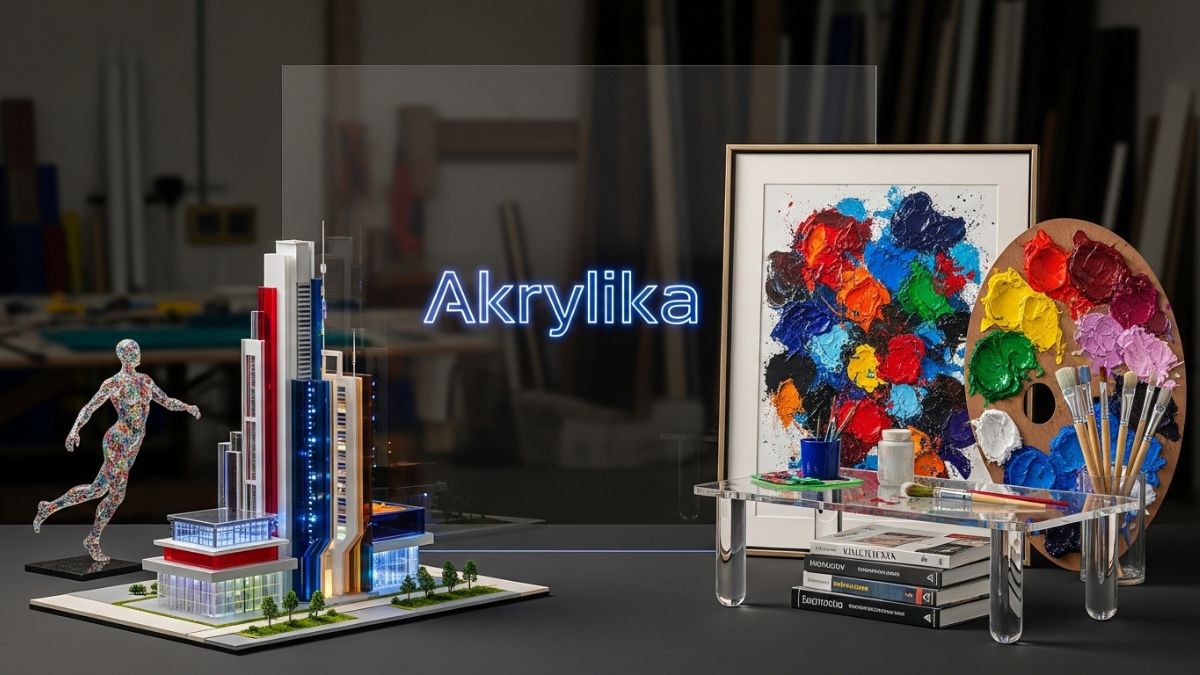
Welcome to the fascinating world of akrylika, a material that’s making waves in both art and design. If you haven’t heard of it yet, you’re in for a treat. Akrylika combines versatility with aesthetic appeal, allowing artists and designers to push the boundaries of creativity. From vibrant sculptures to sleek interior designs, this innovative medium is transforming how we perceive and interact with visual arts.
Curious about what makes akrylikas stand out? Let’s dive deeper into its history, applications, benefits, challenges, and future potential. Whether you’re an artist seeking new materials or simply an enthusiast looking to explore what’s trending in modern design, akrylika holds endless possibilities that are just waiting to be discovered.
The History and Production of Akrylika
Akrylika has a fascinating history that dates back to the mid-20th century. Originally developed as an alternative to glass, its lightweight and shatter-resistant properties quickly caught the attention of artists and designers.
The production process involves polymerizing acrylic monomers into sheets or other forms. This intricate procedure allows for various thicknesses and finishes, catering to different artistic needs.
As technology advanced, so did the versatility of akrylikas. It became a popular medium in signage, displays, and art installations. Artists discovered its ability to capture light beautifully while providing vibrant colors.
Today, akrylika is recognized not just for its functional qualities but also for its aesthetic appeal. Its adaptability continues to inspire creative minds across multiple disciplines.
Applications of Akrylika in Art and Design
Akrylika is gaining traction across various artistic disciplines. Its clarity and brilliance allow artists to create stunning visual effects that captivate viewers. Many painters are now using akrylikas for its vibrant colors and quick-drying properties.
In the realm of sculpture, akrylika offers flexibility while maintaining structural integrity. Artists can craft intricate designs without worrying about weight or fragility. This makes it ideal for outdoor installations where durability is crucial.
Graphic designers also appreciate akrylikas versatility. From signage to displays, its ability to be molded into different shapes enhances creativity in branding projects. The material’s smooth surface allows for high-quality printing, making logos pop like never before.
Interior designers often incorporate akrylika into furniture and décor items. Its sleek appearance adds a modern touch to any space while remaining lightweight and easy to handle. The possibilities are truly endless with this innovative material at hand.
Benefits and Advantages of Using Akrylika
Akrylika offers remarkable clarity, making it an excellent choice for artists and designers. Its glass-like appearance allows colors to pop, enhancing visual appeal.
Lightweight yet durable, akrylikas is easy to handle and transport. This property makes it ideal for large installations or intricate designs.
Another significant benefit is its versatility. Akrylika can be molded into various shapes and sizes, accommodating different artistic visions effortlessly.
It’s also resistant to UV light and weather conditions. This durability ensures that creations will maintain their vibrancy over time without fading or deterioration.
Additionally, akrylikas is available in a wide range of colors and finishes. This variety enables creators to select the perfect match for their specific projects.
Working with akrylika often proves more cost-effective than traditional materials like glass or wood. Its affordability does not compromise quality—making it accessible for both amateur and professional artists alike.
Challenges and Limitations of Working with Akrylika
Working with akrylika presents unique challenges that artists and designers must navigate. One significant issue is its susceptibility to scratching. While it offers a glass-like finish, the surface can be easily marred by abrasive materials.
Another obstacle lies in temperature sensitivity. Akrylika can warp or distort when exposed to extreme heat. This limitation requires careful handling during both production and display.
Additionally, achieving seamless joints can be tricky. Bonding pieces together often demands specific adhesives and techniques, which may not always yield perfect results.
While akrylika is lightweight, its durability varies depending on thickness and quality. Thinner sheets might bend under pressure or impact, necessitating extra care during installation or transport.
These factors highlight the importance of understanding akrylika’s properties before diving into any project involving this versatile material.
Tips for Working with Akrylika
When working with akrylika, preparation is key. Always ensure your workspace is clean and well-lit to avoid any distractions. This will help you stay focused on your creative vision.
Choose the right tools for cutting and shaping akrylika. Use a fine-toothed saw or laser cutter for precision. Remember, gentle pressure works best to prevent cracking.
Experiment with different adhesives designed specifically for akrylika. They provide strong bonds without leaving unsightly marks.
Consider temperature when handling this material; it can warp if exposed to excessive heat. If you’re painting or applying finishes, opt for water-based products that adhere better and are less likely to damage the surface.
Always wear protective gear like gloves and goggles while working with akrylika. Safety should be your priority as you unleash your creativity!
The Future of Akrylika in the Art and Design World
The future of akrylika in art and design shines bright with endless possibilities. As artists and designers continue to explore innovative techniques, the versatility of akrylika will pave the way for new forms of expression.
Sustainable practices are becoming a priority. Many manufacturers are working on eco-friendly options, making akrylika even more appealing to environmentally conscious creators. This shift could lead to a wider acceptance within various artistic communities.
Technological advancements also play a significant role. With developments in digital fabrication methods like 3D printing, designing with akrylika is entering uncharted territory. This can transform traditional approaches into modern masterpieces.
Moreover, collaborations between artists and industries can spark unique projects that utilize akrylika’s aesthetic qualities. The material’s ability to blend seamlessly with other mediums opens up potential for mixed-media artworks that challenge conventional boundaries.
As trends evolve, so does the appreciation for this remarkable material across cultures and demographics in the art world.
Conclusion
Akrylika stands out as a game-changer in the realms of art and design. Its unique properties, aesthetic appeal, and adaptability make it an excellent choice for artists, designers, and architects alike. As we have explored its rich history and diverse applications, it’s evident that this versatile material continues to inspire creativity.
Despite some challenges associated with working with akrylika, such as potential scratching or environmental considerations during production, the benefits often outweigh these drawbacks. With proper techniques and tools, creators can harness the full potential of akrylika to bring their visions to life.
Looking ahead, akrylika is poised for further innovation. New technologies will likely enhance its durability and sustainability while expanding its uses across various industries. As more artists embrace this remarkable medium, we can anticipate exciting developments that push the boundaries of what’s possible in art and design.